Storia dell’arte
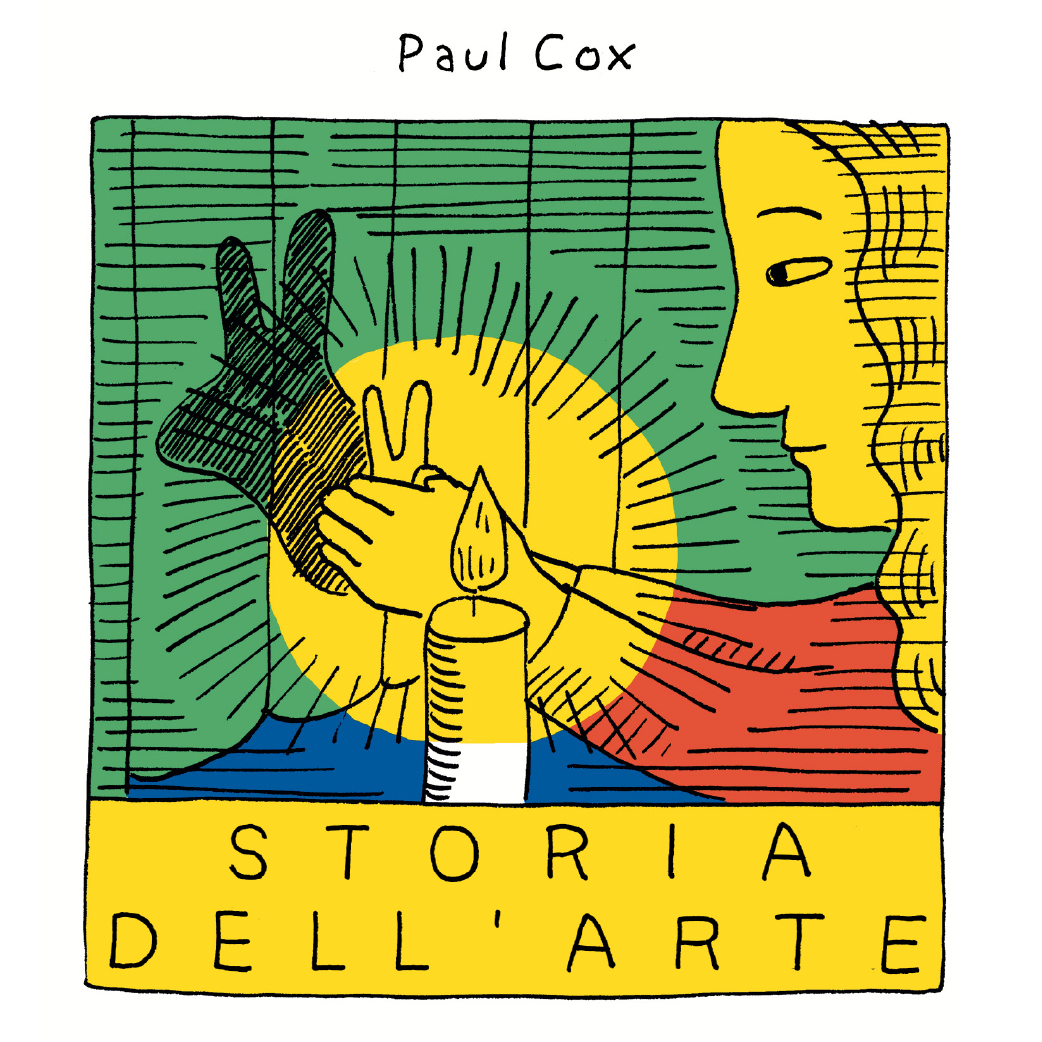
Once upon a time, there was a gloomy, dreary kingdom where the inhabitants spent their days in silence and sorrow.

Once upon a time, there was a gloomy, dreary kingdom where the inhabitants spent their days in silence and sorrow.
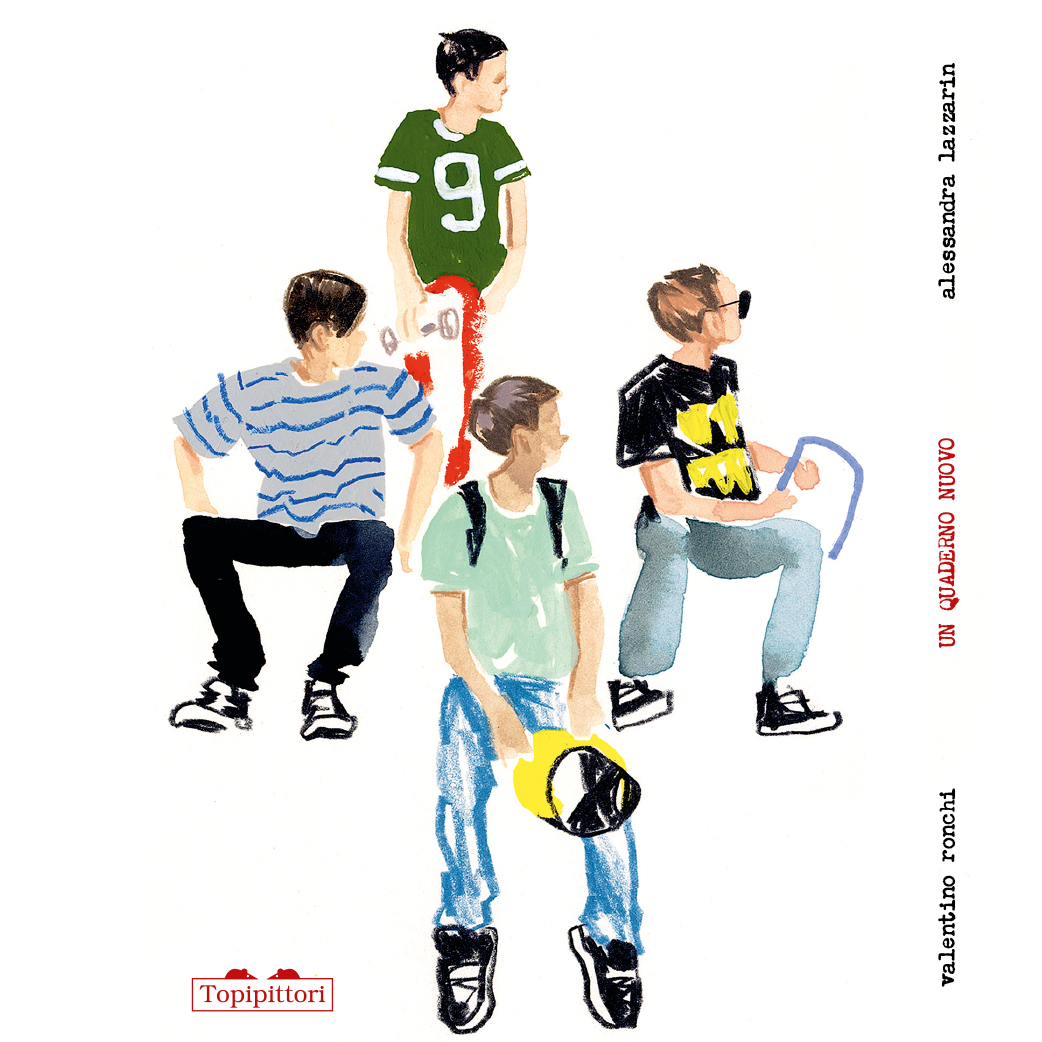
A new notebook, given by his uncle, a former boxer with big shoulders and a big heart, becomes an opportunity to deal with paying attention to life, observation, reflection and poetry: be thirteen years old, people around him, his second year of secondary school, the passing of time, melancholy and the small but significant problems of adults. The crossroad between childhood and adulthood is described in verse and images by the poet Valentino Ronchi and the illustrator Alessandra Lazzarin.
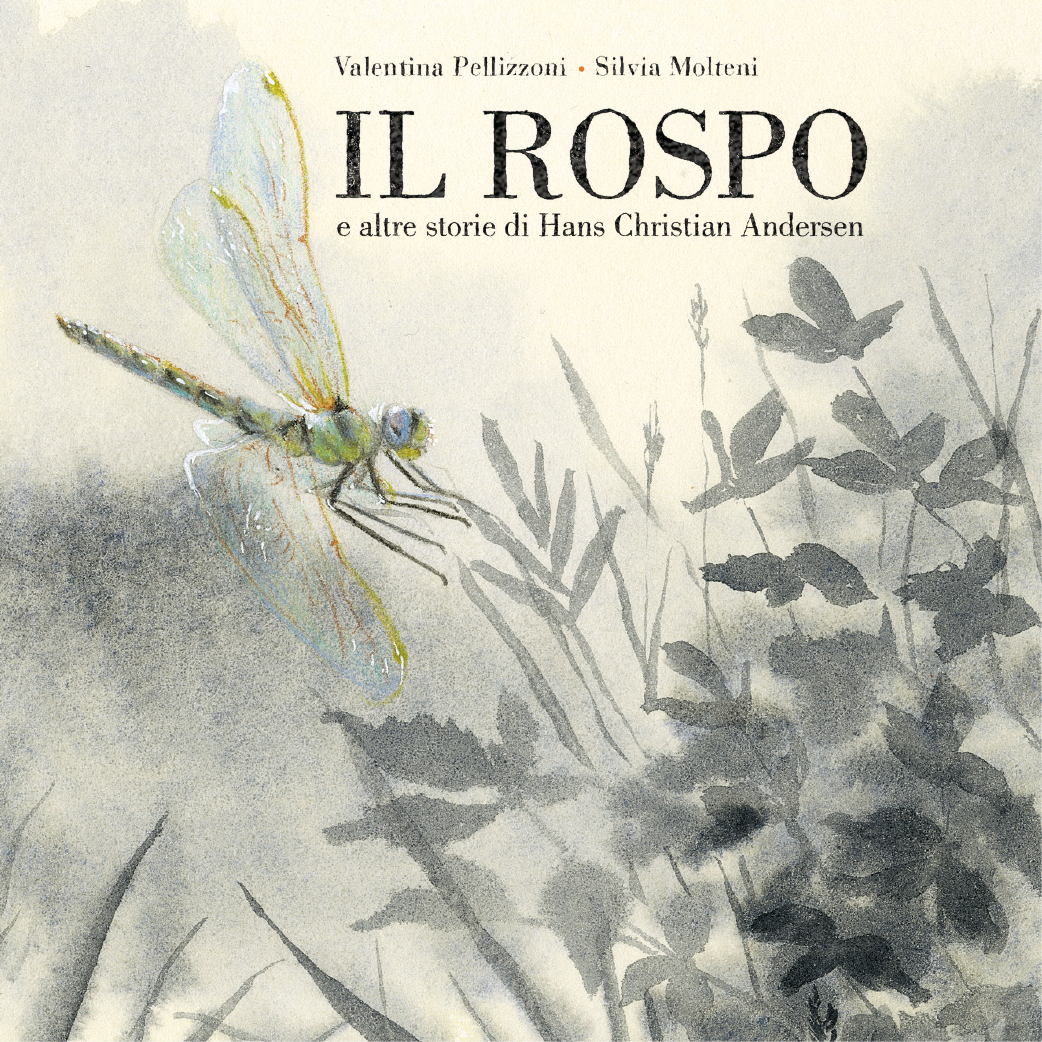
The author and bookseller Valentina Pellizzoni, in love with the Hans Christian Andersen’s fairy tales, decides to rewrite a selection among the lesser-known ones. With her brilliant irony and the beautiful illustrations by Silvia Molteni, this book is reminiscent of the yesteryear fairy tale collections. We can meet extraordinary characters, whether they belong to the animal or plant kingdom or to that, much loved by the Danish author, of the objects.
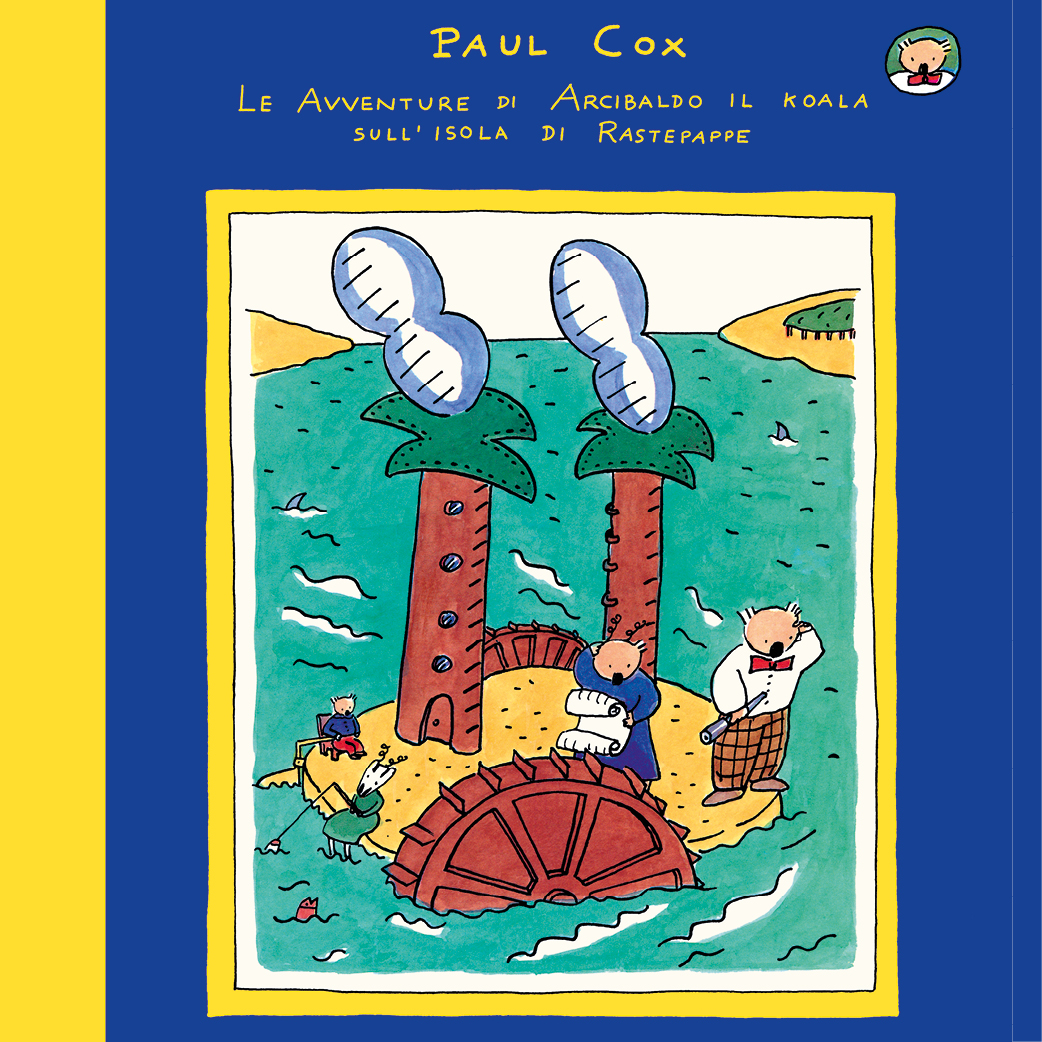
It’s summer in Rastepappe and preparations are underway for the long-awaited Opera premiere. But, surprise surprise, the costumes have disappeared. From this moment on, a chain of disconcerting events unfolds. Tassografico can’t print the “Rastepappe Courier” because the press has been tampered with. Chef Arciartusi can’t find his egg whisk and his colander, essential tools for making the famous eucalyptus gratin. And Mayor Arciduca’s sash and crown have been stolen. Detective Arcibaldo, with his infallible instinct, suspects that these facts are not coincidences.
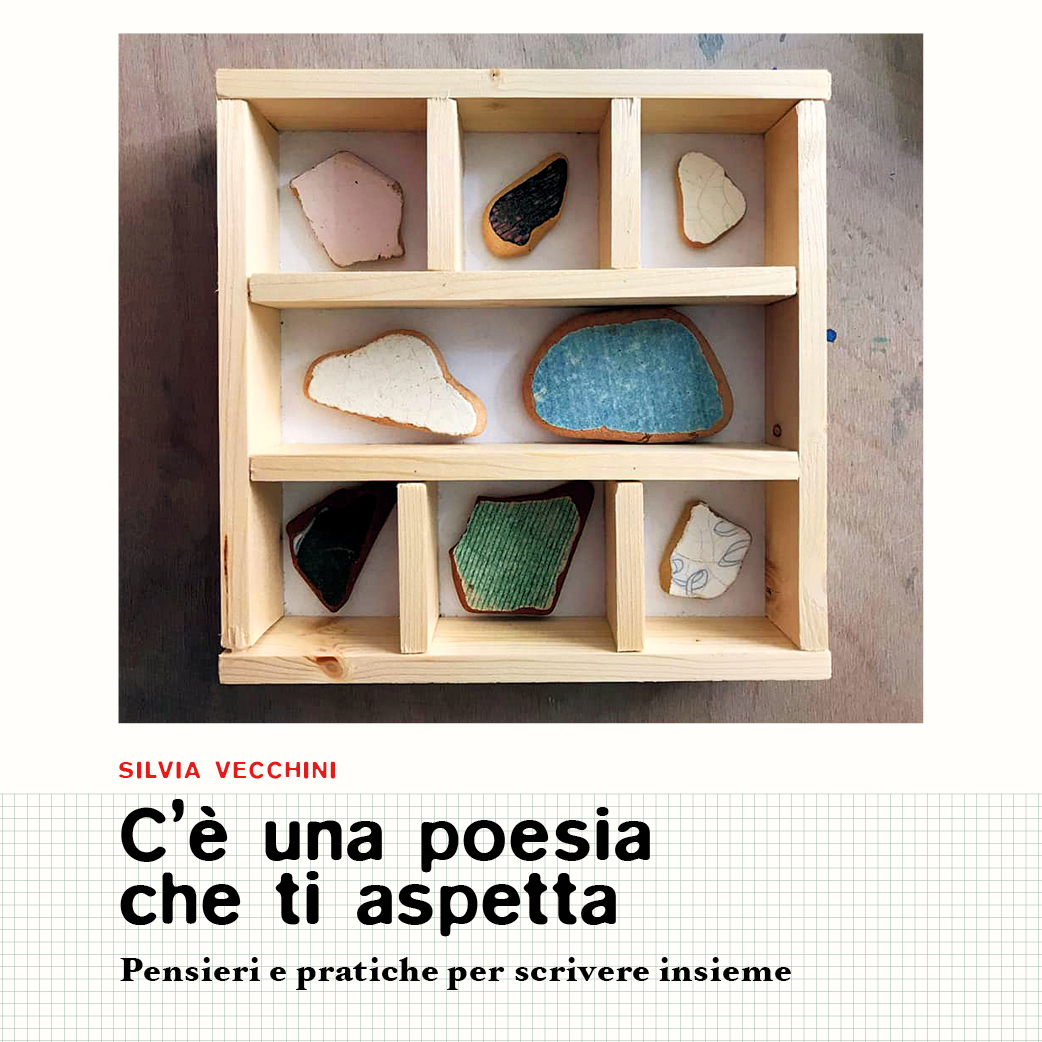
Following the success of Una frescura al centro del petto, Silvia Vecchini reflects again on poetic writing, both individual and collective, as a tool for knowledge and guidance. Writing that always begins with reading and ends with the transformation of ourselves and the group. This non-fiction book is organized into three parts (1. The Space and Time of the Workshop; 2. Hints and Ideas for Beginning to Explore Writing; 3. Practices and Paths for Children, Teens, and Adults) and draws on the author’s long experience leading writing workshops.
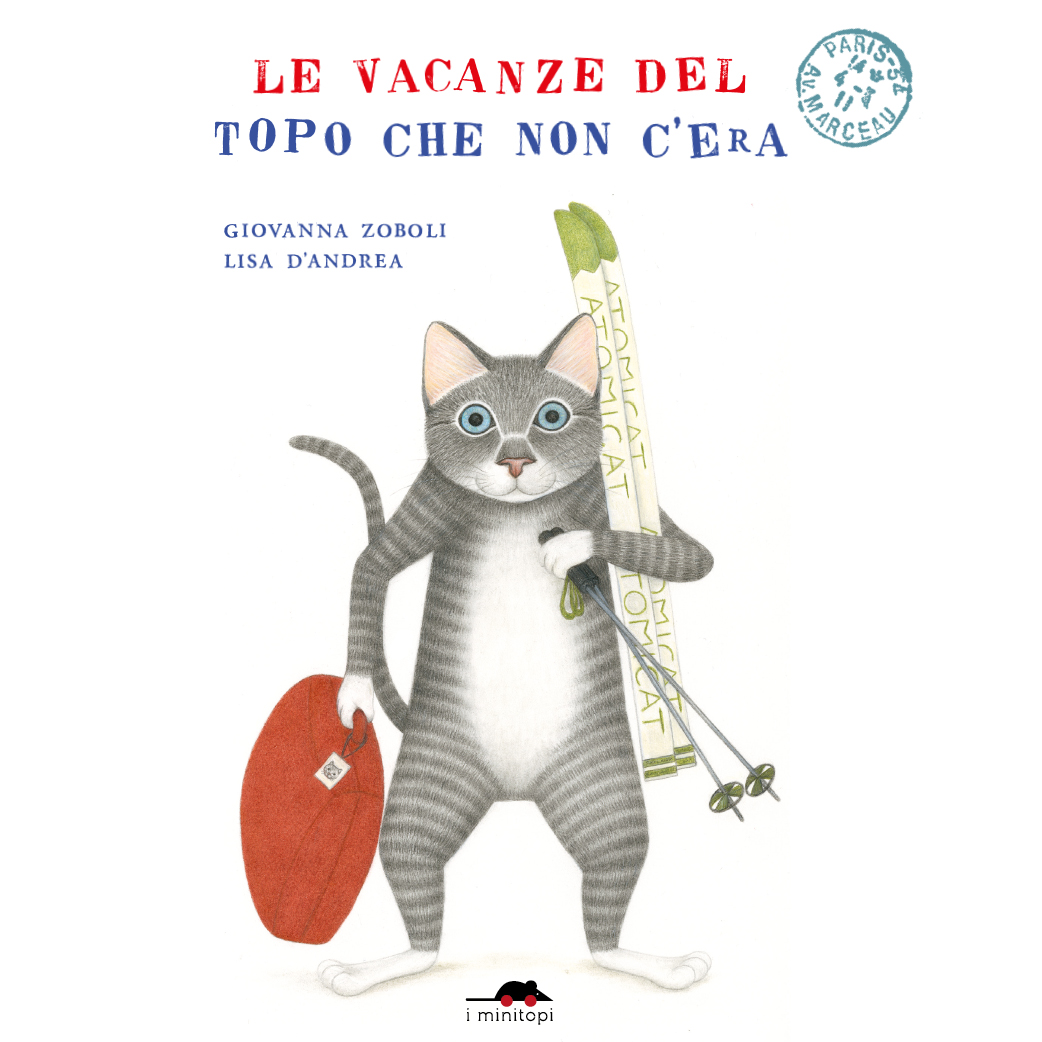
If you enjoyed Il topo che non c’era and can’t wait to find how the story of the weirdest friendship of the world follows, this book is for you. Here they are, together again, the cat and the mouse, with plenty of relatives who know everything about holidays, either at the beach or at the mountains: what you are supposed to eat, to drink, to see, what you should bring with you and, especially, what you’ll leave at home out of excitement. A classic from our catalog republished in the series ‘i minitopi’, smaller in size and price, but designed to withstand all types of holidays.
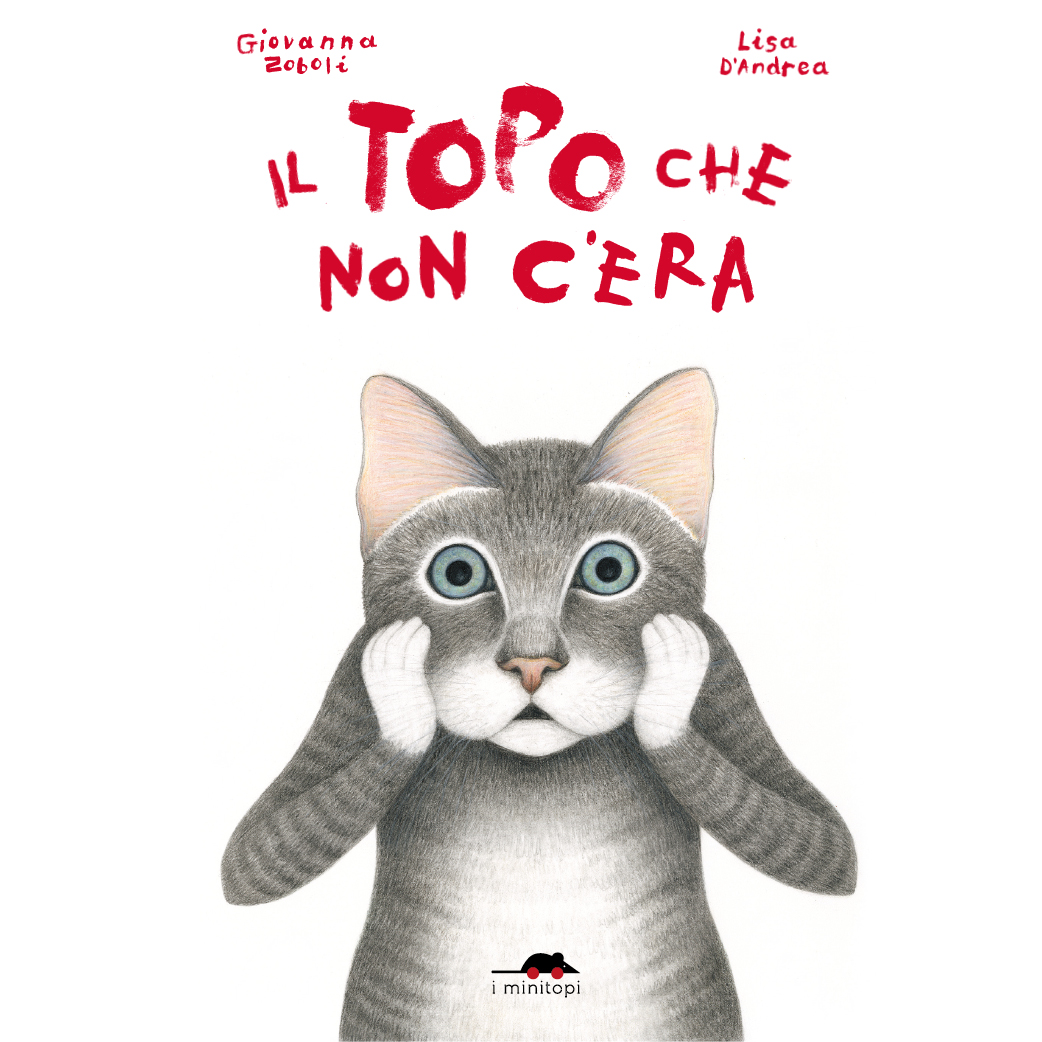
Il topo che non c’era by Giovanna Zoboli and Lisa D’Andrea finally comes out in paperback edition. After careful calculations, we managed to fit such a great number of mice in a smaller book. All the mice of the world, except for one. The one missing, indeed. And the one everybody was looking for. The first book in the beloved trilogy featuring the missing mouse (Le vacanze del topo che non c’era, Il Natale del topo che non c’era), and that subverted the legendary enmity between mice and cats, in a format designed to withstand anything.
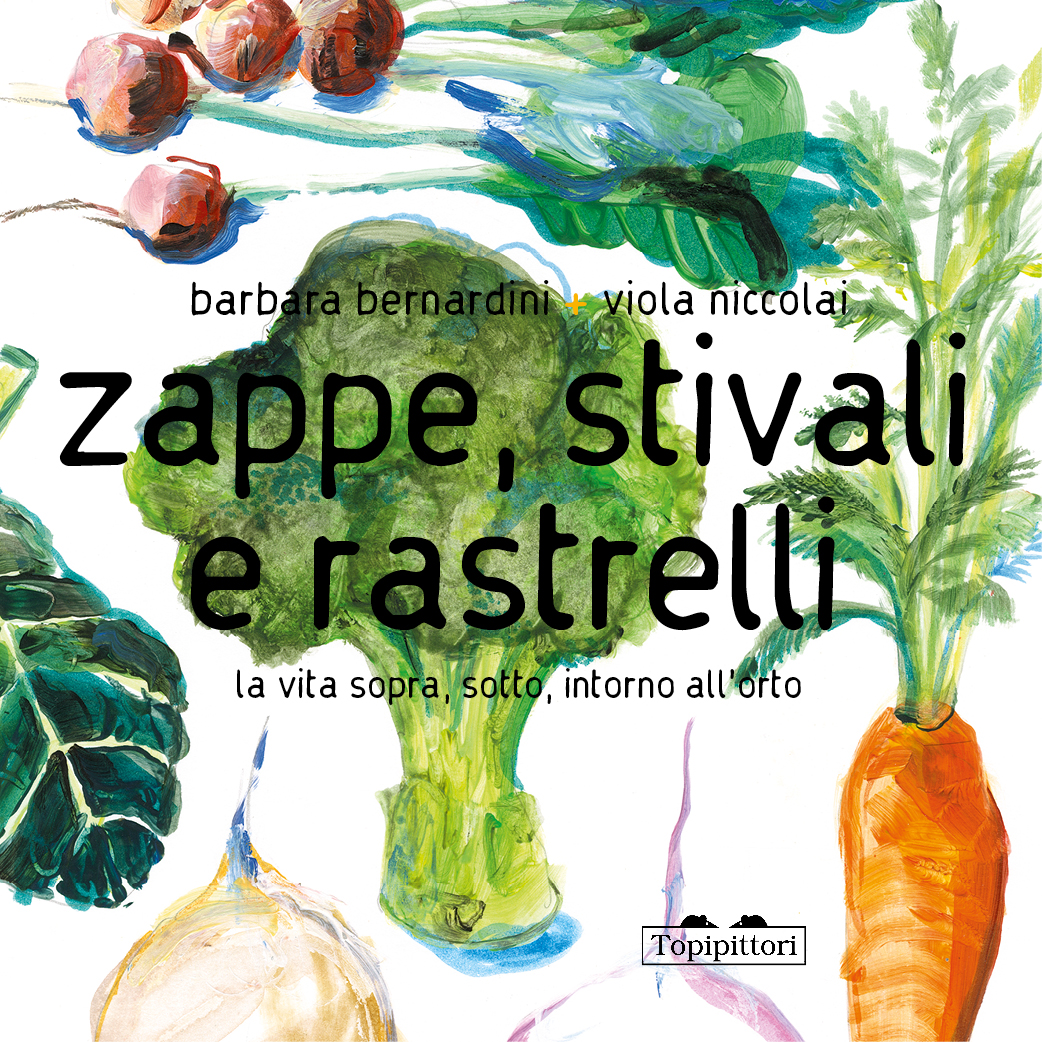
For whom that have the chance to take care of a vegetable garden – no need of a big field, a few small pots on the windowsill are enough – the harvest is, for sure, the more exciting moment. Cultivating a vegetable garden means following seasons, having respect for the time that the soil requires and the living being in it. It also means promoting biodiversity and observing the close relationship among species.
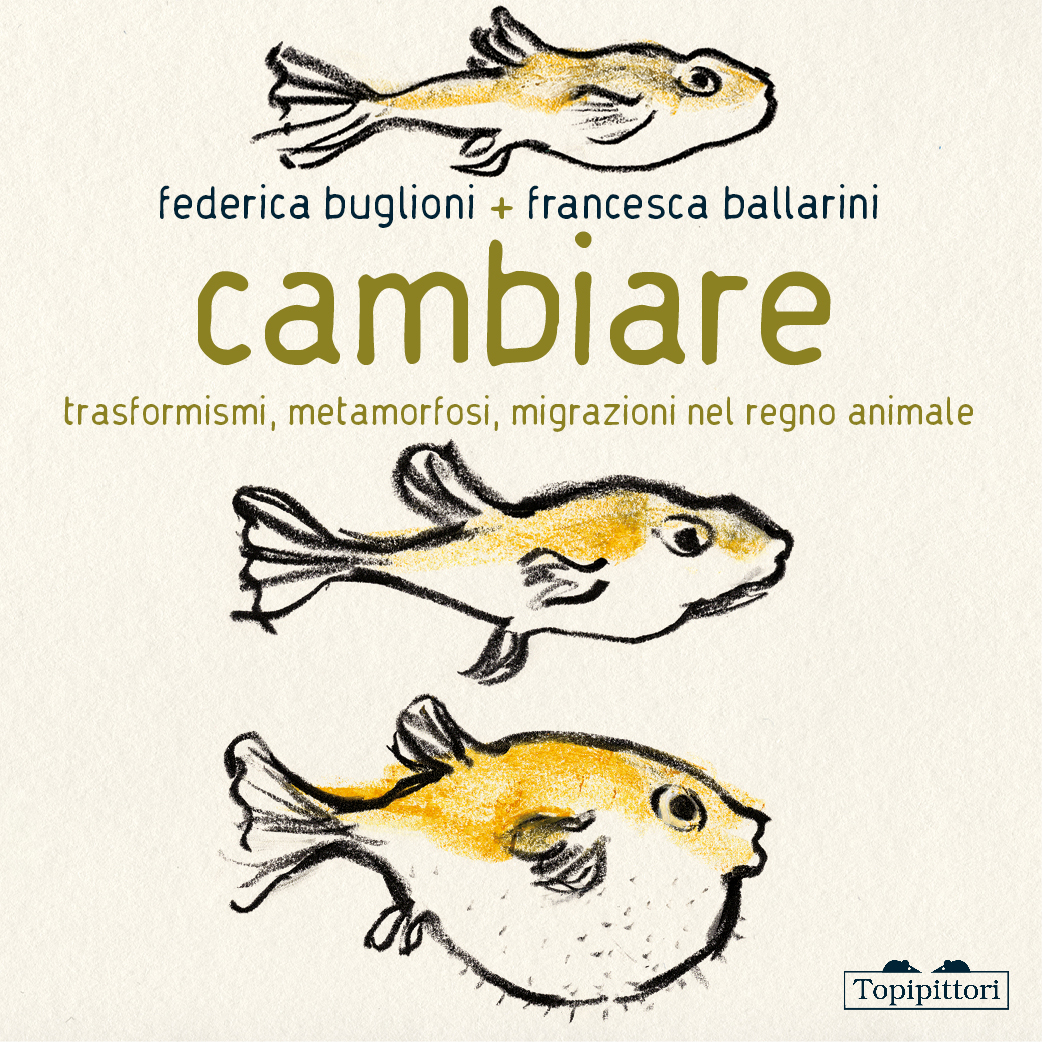
Life is first and foremost transformation. In the rivers, there wouldn’t be freshwater fish, if they weren’t able to change the salinity of their bodies. We wouldn’t have many animal species that we know nowadays, without moulting and metamorphosis. Federica Buglioni (author of Naturalisti in cucina, Uovo sapiens, Alfabeti naturali) and Francesca Ballarini, lead us discovering that transformation is a gateway to the animal kingdom. In this journey we’ll meet jellyfish that are not born and do not die, fish able to change sex, spiders that can change colour.