Foreign Rights 2024
Immagine:

Anno di pubblicazione:
2023
Undefined

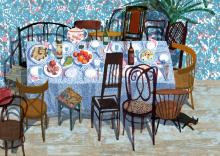
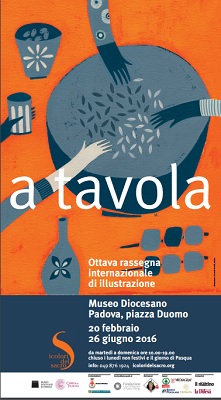 A Padova, al Museo Diocesano, in piazza Duomo 11, è in corso la mostra A tavola. I colori del Sacro
, 8° Rassegna Internazionale di Illustrazione, che durerà fino 26 giugno.
A Padova, al Museo Diocesano, in piazza Duomo 11, è in corso la mostra A tavola. I colori del Sacro
, 8° Rassegna Internazionale di Illustrazione, che durerà fino 26 giugno.
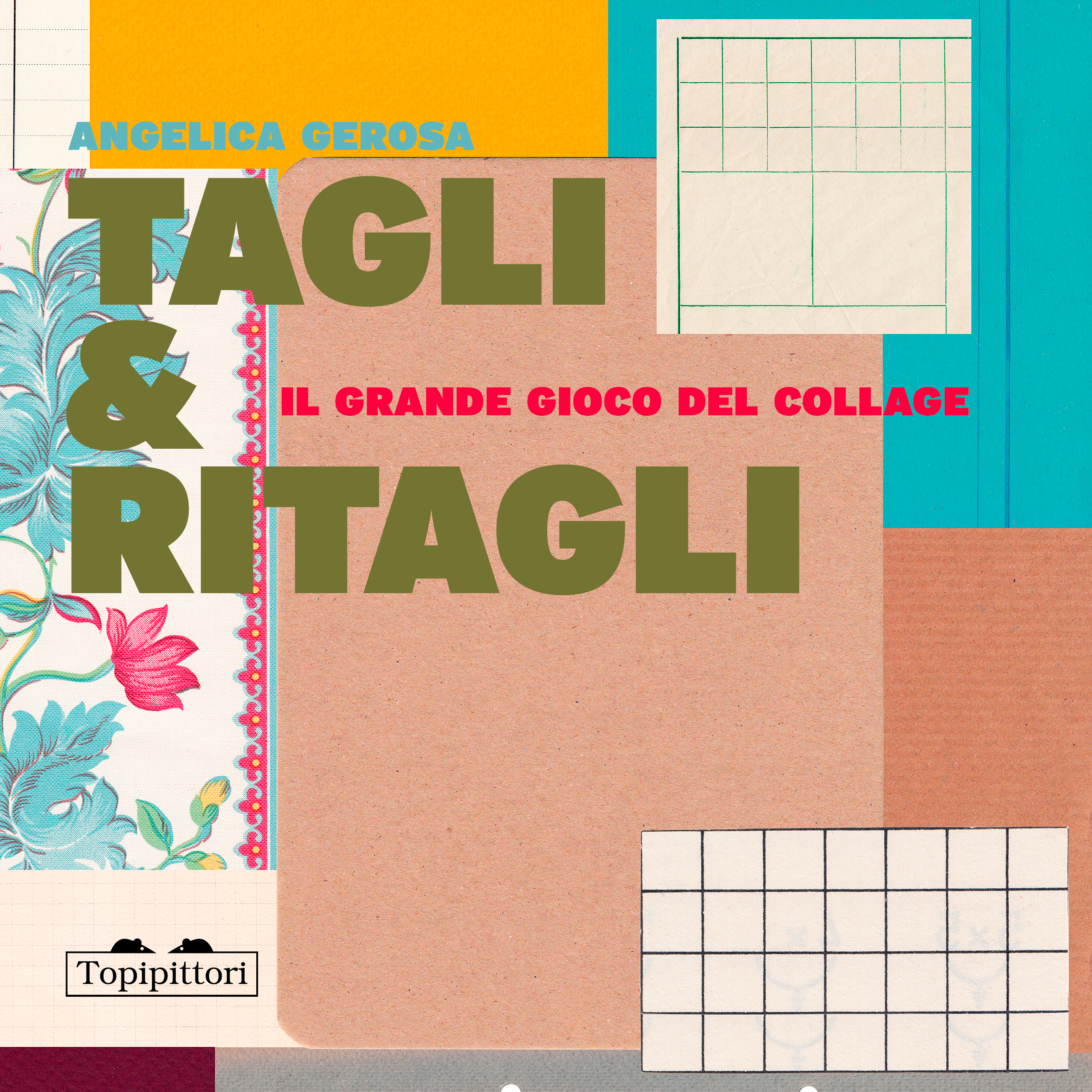
Have you ever made a collage? If the answer is no, now is the perfect time to start. If the answer is yes, you will find plenty of guidance, examples, and inspiring ideas in this book to create brand-new ones. To get to work, you only need a few simple tools: sheets of paper, scissors, glue; and, of course, two eyes and ten fingers. Many great artists have experimented with this technique: Braque, the Dadaists like Jean Arp, and many Surrealists, including Picasso, just to name a few. So, what are you waiting for?
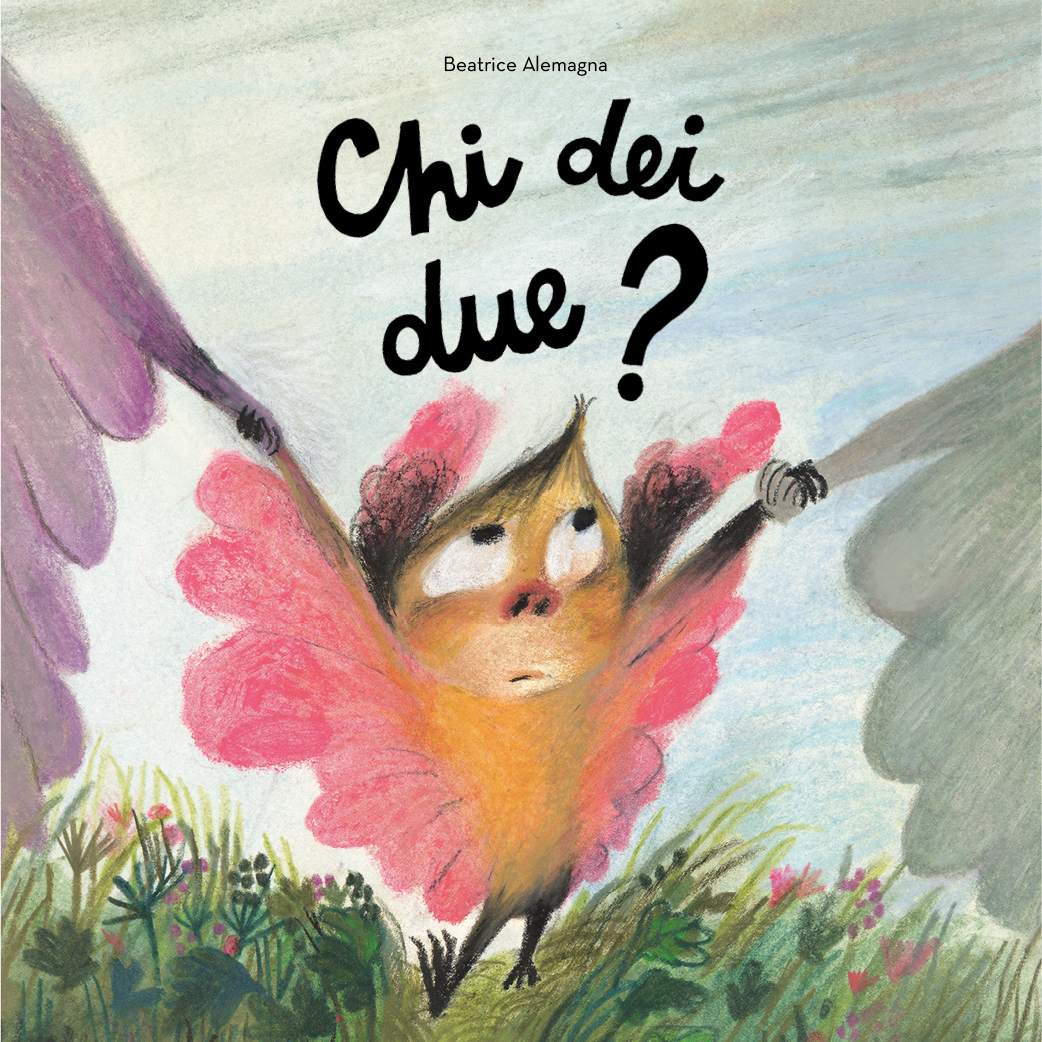
Evening has fallen in the great treehouse. Pasqualina is playing in her bedroom, while downstairs her mother and father are making dinner. They cook and argue, and their voices grow louder and louder. Pasqualina tries to follow the argument: she doesn’t know whether to support her mom or her dad. Which one? She is so torn that she actually duplicates herself. And naturally, the two new little bats start to bicker, too.
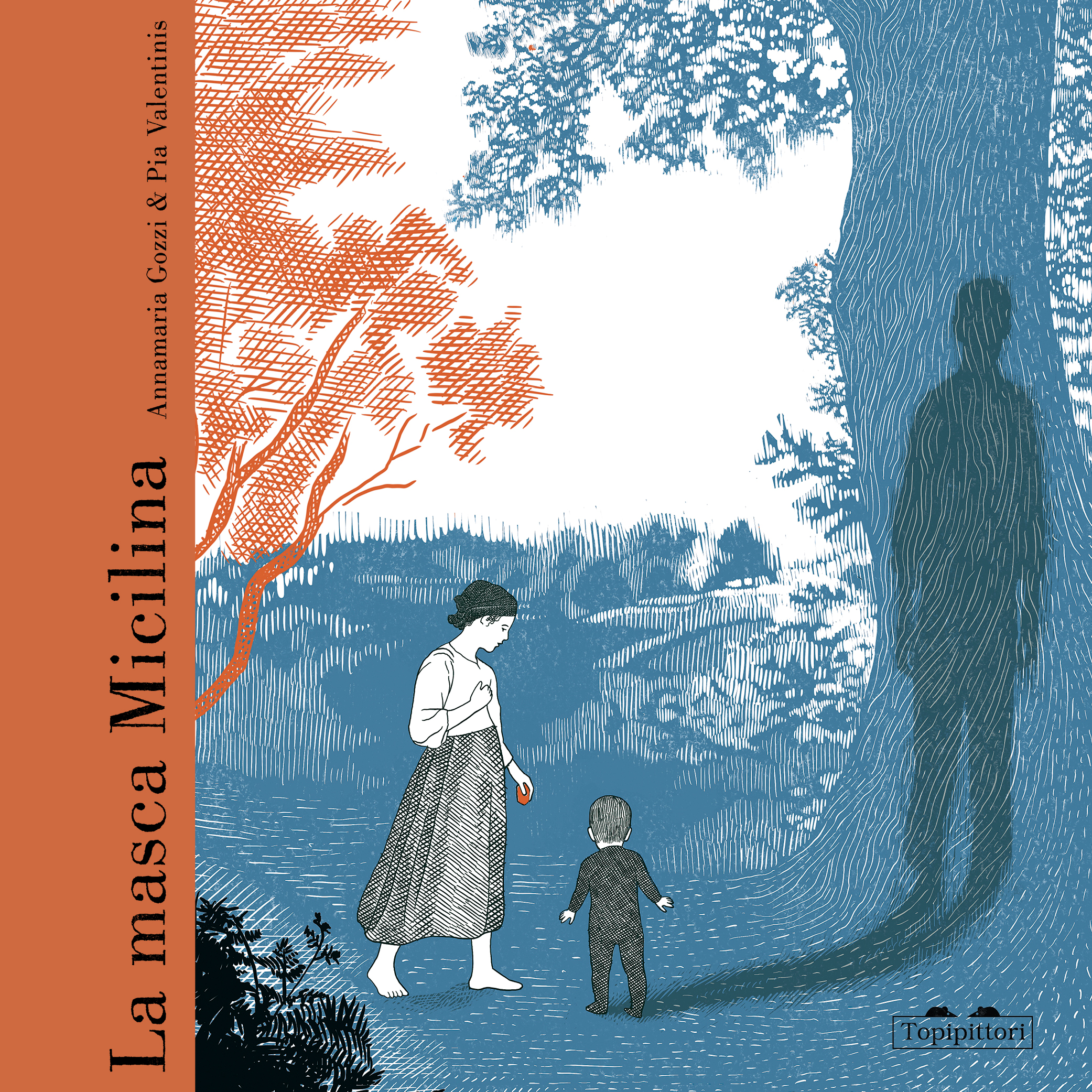
On a cold autumn evening, a baby is born in a village. He is as tiny as a bean, with wrinkled skin and a voice like a kitten's. People think that he will die, but his parents turn to the masca Micilina (masca is a mysterious figure from folklore tradition). But who is she? Who knows? She is neither ugly, not old, not young… But she can do great magic, because she knows how to heal, even if everyone fears her and there are rumours in the village about her. Thanks to her intervention, tiny Tommasino, knows as Masino, grows up and becomes big, strong and brave.
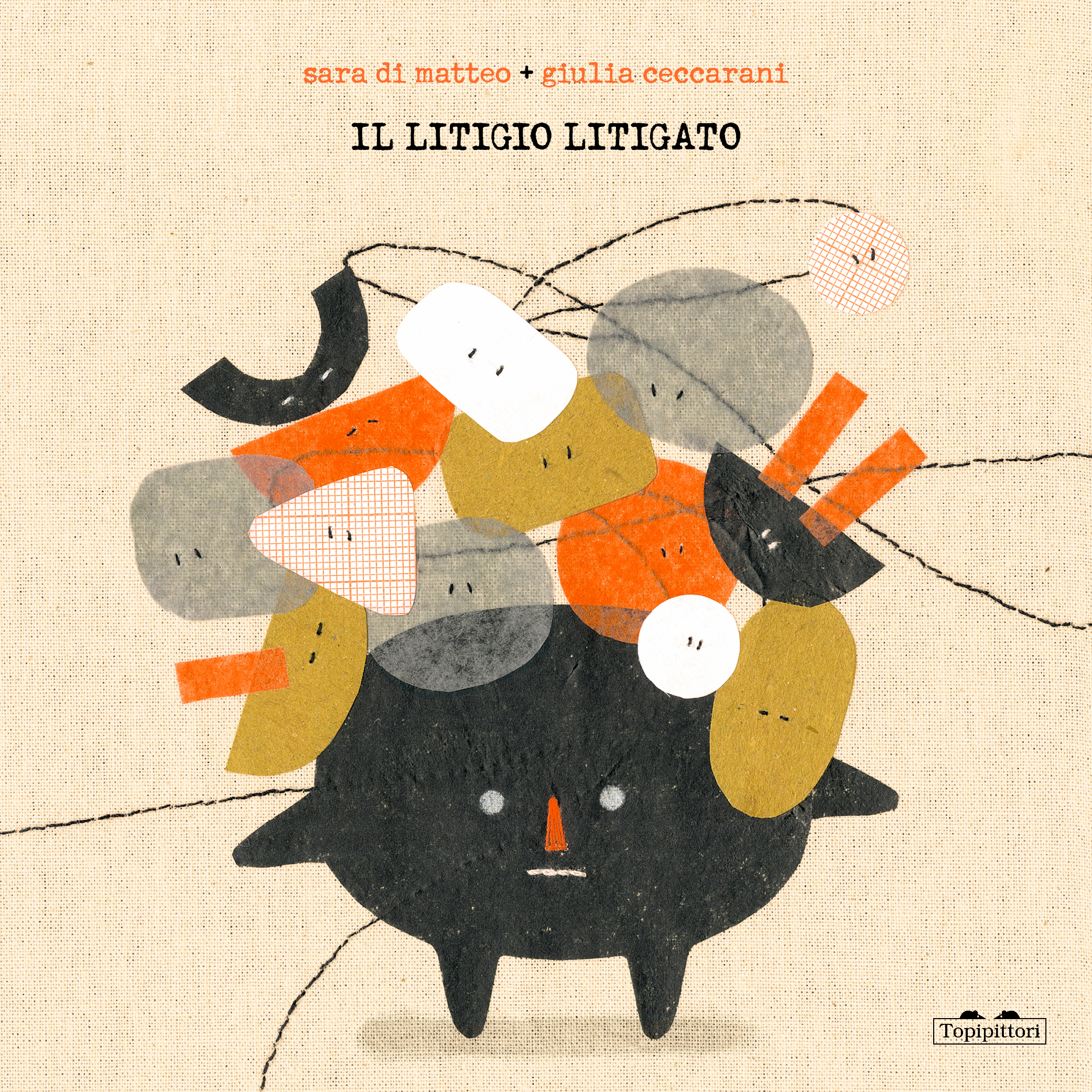
What is an Argued Argument? Little Arguments have never seen it before and they turn to the Wise Head-Scratcher for advice. It is not a normal argument between brothers, sisters, friends or even adults. To be clear, this kind of arguments are not like the ones that mess things up, and leave you “a shaggy head and a heart beating an exciting rumba”. Nor like an argument between children, which serves to express what you feel in your stomach and then learn to make peace.
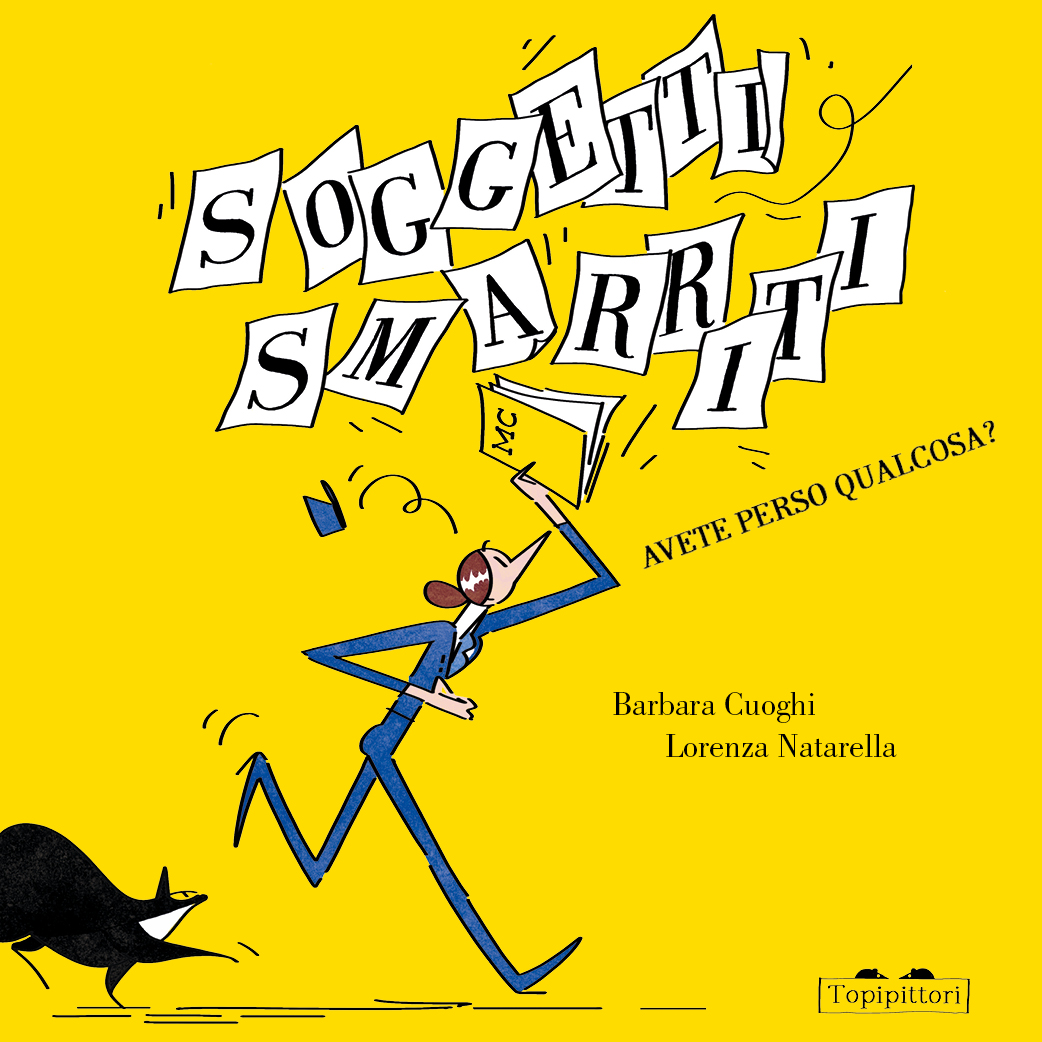
Maria Carla works at the Lost Property Office’s. Efficient and impeccable, every morning she meets strange and desperate characters who come to her in need of help. Some have lost their memory, some their time, some their sleep, some their tracs, some their hope. Maria Carla, fearless, with her stamps, forms and, above all, common sense, humour and fantasy doesn’t lose heart even with the most complicated cases and she finds a solution for everyone.
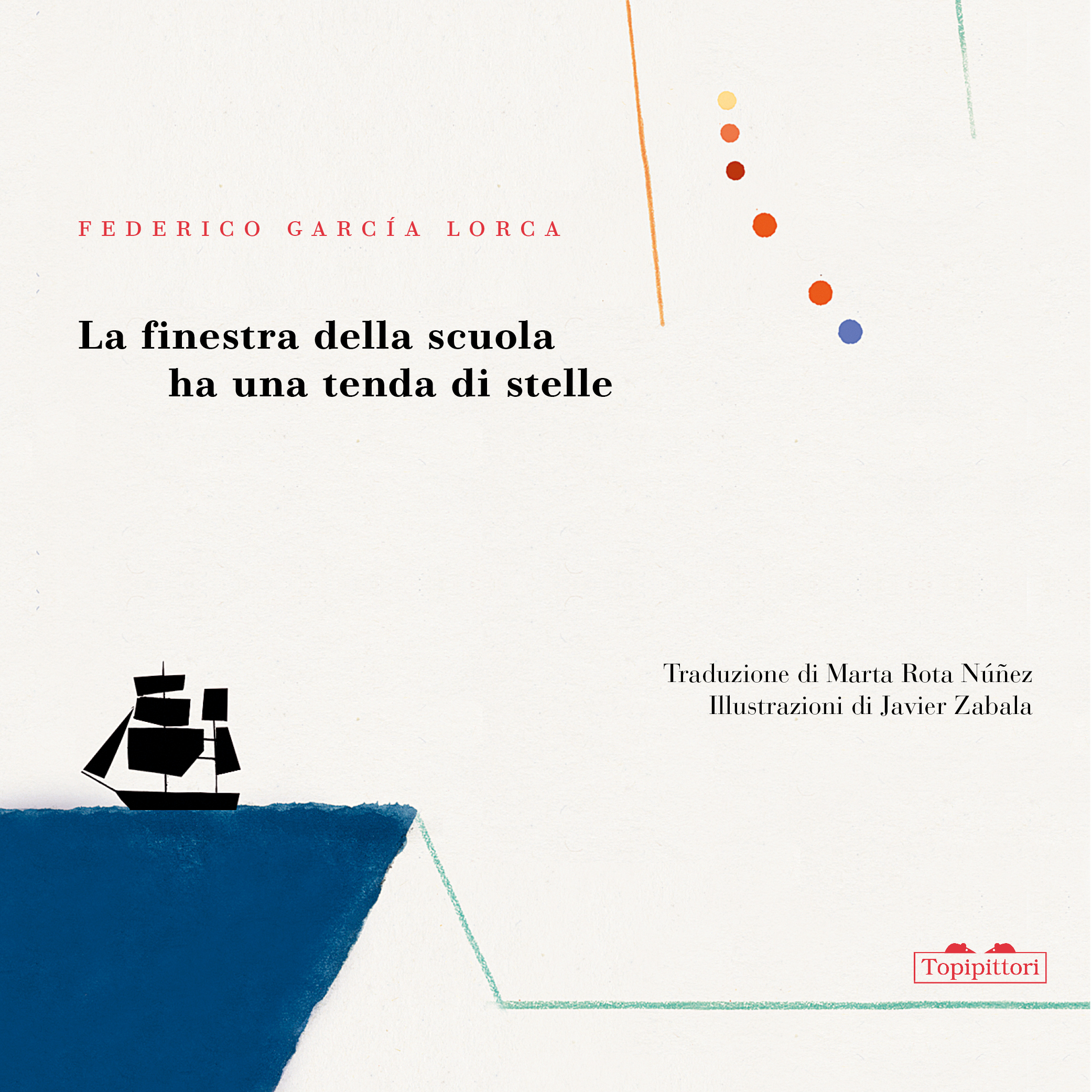
In Federico García Lorca’s poetic world, children are central figures — appearing as vivid characters or delicate silhouettes within his fantastical landscapes. Drawing from his deep study of folk songs and lullabies, this collection captures the visionary intensity and grace of childhood. Translated by Marta Rota Núñez and illustrated by Javier Zabala, these playful and melancholic verses are an enchanted journey for readers of all ages.
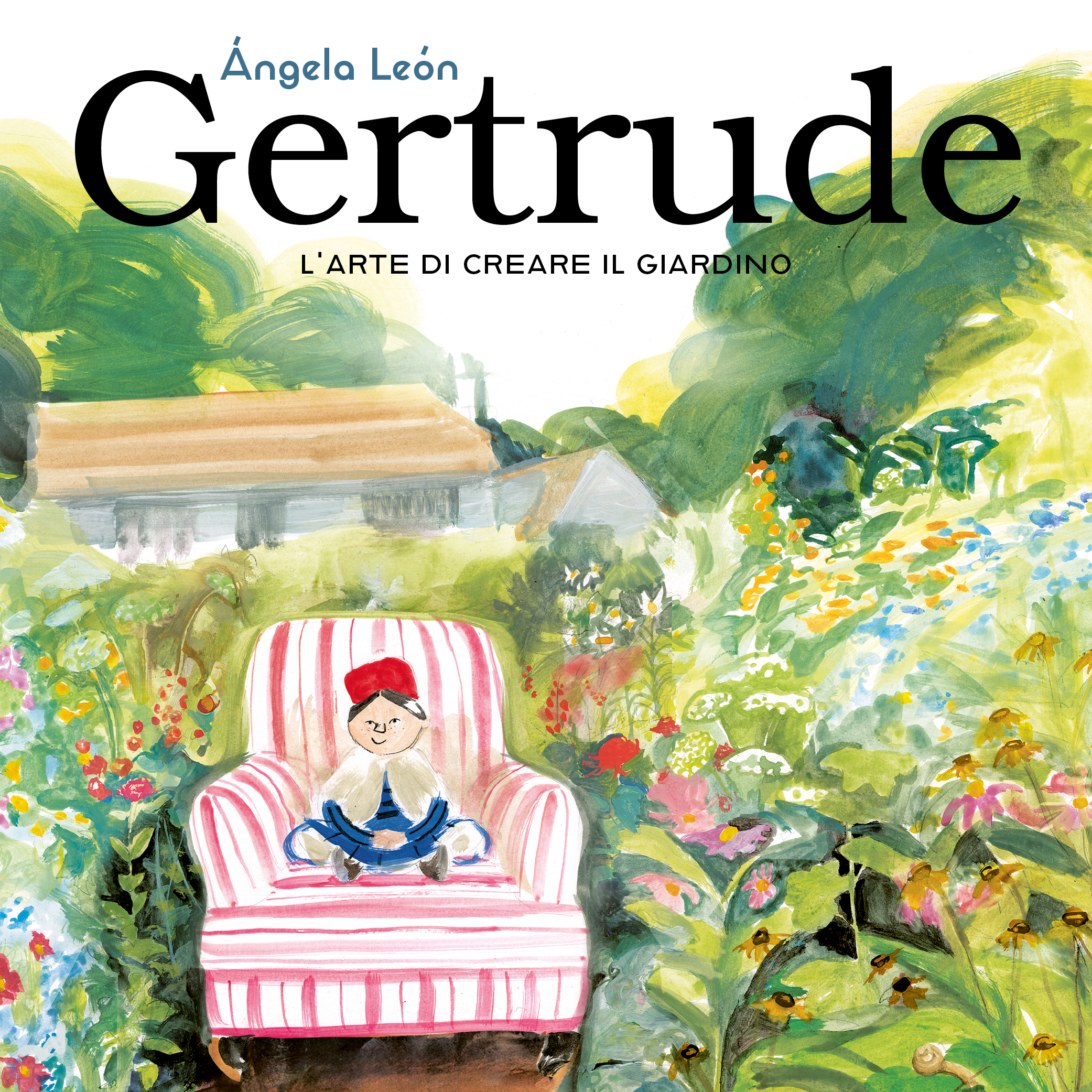
The vivid storytelling and artwork by Ángela León introduce us to the life of Gertrude Jekyll, a British garden designer who created more than 400 gardens in Europe and the US between the 19th and 20th century. She wrote many books and thousands of articles throughout her life. She definitely had a fundamental role in the conception of the modern English garden. A relentless writer and eclectic artist, Gertrude Jekyll enriches this biographical series about outstanding women of all times.
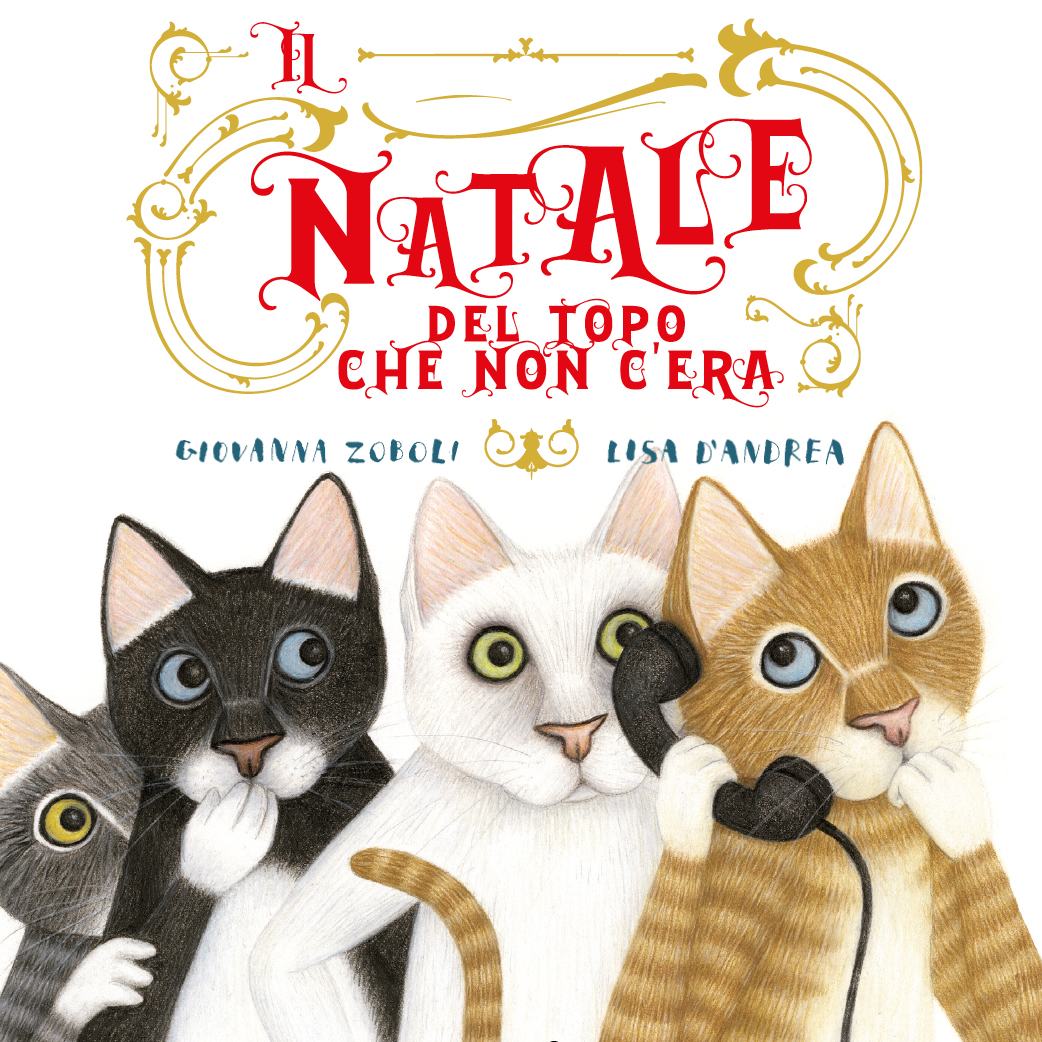
Christmas is coming and no one wants to be caught unprepared by the event. A list is needed! Two, in fact: one for the cat and one for the missing mouse. Everyone writes what should never be missed at a Christmas party. And of course they end up fighting, but the devoted readers of their stories know the way they are: this is why they shouldn’t miss the last book of the most surreal trilogy (The missing mouse, The holidays of the missing mouse) of all times. Now also available in the paperback series ‘i minitopi’.